🔧 Mobile Hydraulic Hose Repair & On-Site Fabrication — Fresno County, CA Equipment down? — we'll connect you with a local pro
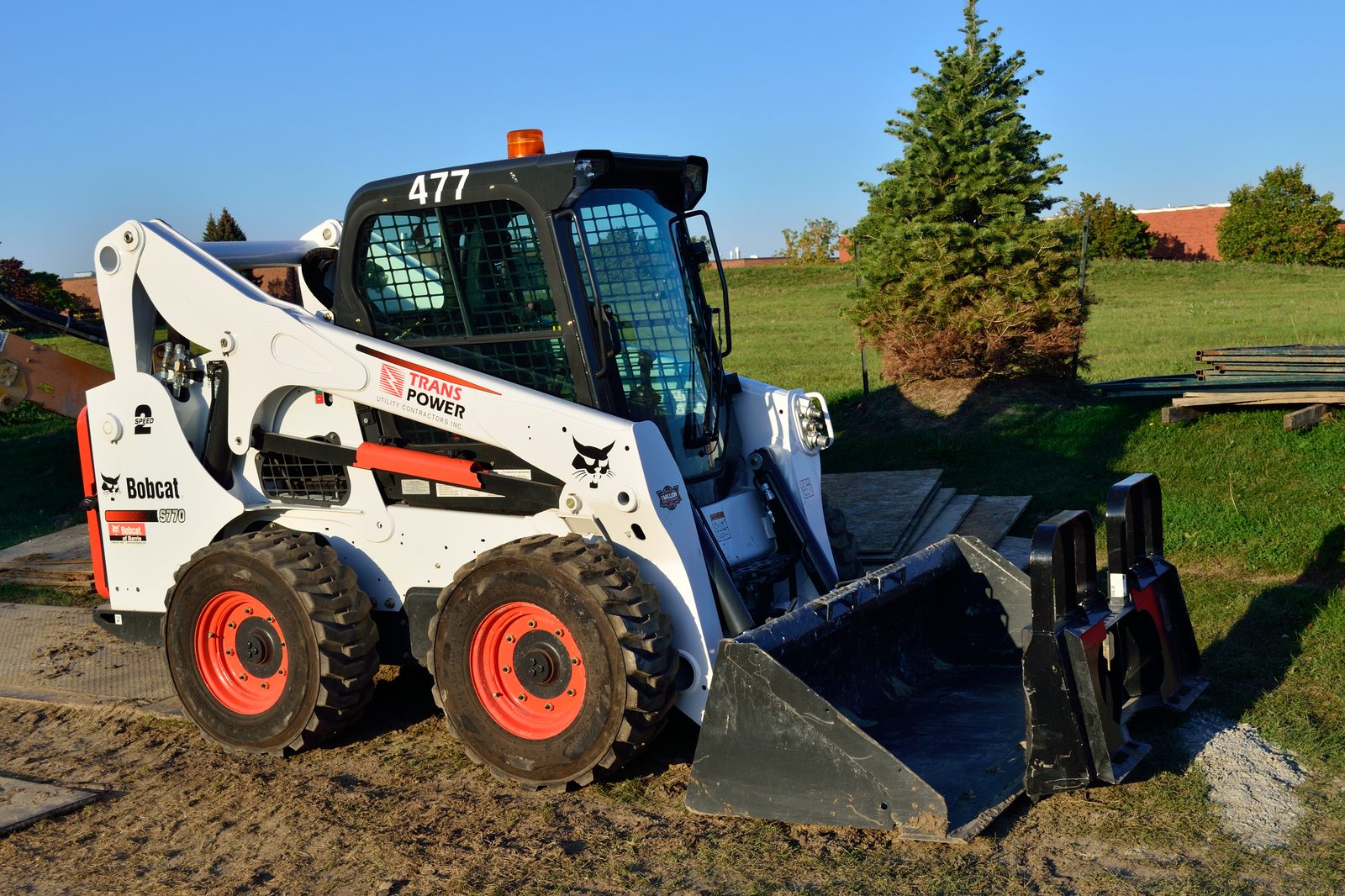
Heavy hydraulic equipment working in the field — mobile hydraulic repair across Fresno County
Fittings & Adapters — Fresno County

The Right Fitting, Sealed the Right Way

A hydraulic connection only holds if the fitting type, thread, and sealing surface all match. We identify JIC, ORFS, ORB, NPT, and metric fittings and replace them correctly — so it stops leaking and stays that way.

What We Do

Most Hydraulic Leaks Are a Fitting Problem

A surprising share of hydraulic leaks aren't the hose at all — they're the connection. Hydraulic fittings seal in fundamentally different ways, and they are not interchangeable even when they thread together. A JIC fitting seals metal-to-metal on a 37-degree cone. An ORFS (o-ring face seal) seals on a flat face against an o-ring — the go-to for high pressure and vibration. An SAE ORB (o-ring boss) seals with an o-ring down in a straight-thread port. NPT tapered pipe thread seals on the threads themselves. And metric fittings add their own cone and face-seal variants on top.

The trouble starts when these get mixed — which happens constantly on equipment that's been repaired by whoever was closest to the breakdown. A straight-thread fitting forced into a tapered port, a JIC cranked down to stop a weep until the cone cracks, an o-ring left out or pinched. Once you understand that each style has a specific sealing surface, the leaks make sense: the surfaces aren't meeting the way they were designed to. More torque doesn't fix a mismatch; it usually makes it worse.

Our job is to read what's actually there, identify the correct fitting and sealing method for each port, and replace or adapt so every connection seals on its proper surface. On mixed equipment that often means the correct adapter to bridge two standards cleanly, rather than a forced connection that will weep again in a week.
Know the Signs

When a Fitting Is the Culprit

A connection that won't stop leaking is telling you something. These are the usual fitting-related causes.

It weeps no matter how tight you make it. A leak that survives tightening — or gets worse — almost always means the fitting styles or sealing surfaces don't match. The answer is the correct fitting, not more torque.

Won't Seal

A previous repair "made it fit." Forced connections between mismatched standards are a common field fix that comes back. If a joint was adapted with whatever was on hand, it's worth correcting properly.

Mixed Standards

A cracked flare or pinched o-ring. Over-tightened JIC cones crack; o-rings get pinched or left out. A damaged sealing surface will always leak until the fitting is replaced.

Damaged Seal
Answers

Common Questions

What's the difference between JIC, ORFS, and ORB fittings?
They seal in different ways. JIC (37-degree flare) seals metal-to-metal on a cone — common and reliable but sensitive to over-tightening. ORFS (O-Ring Face Seal) seals on a flat face with an o-ring, excellent for vibration and high pressure. ORB (O-Ring Boss) seals with an o-ring in a straight-thread port, the standard for port connections. Using the wrong one, or mixing them, causes leaks that no amount of tightening will fix.
Why does my fitting keep leaking even after I tighten it?
Usually because the fitting styles don't actually match, or the sealing surface is damaged. Two fittings can thread together and still not seal if one is a tapered pipe thread and the other a straight thread, or if a flare is nicked. Over-tightening a JIC to stop a leak often makes it worse by crushing the cone. The fix is identifying the correct fitting and sealing surface, not more torque.
Can you adapt between different fitting standards?
Yes — adapters bridge standards when a hose end and a port don't match, which is common on mixed or repaired equipment. We identify both sides and use the correct adapter so each connection still seals on its proper surface, rather than forcing a mismatch.
Are pipe-thread (NPT) fittings okay on hydraulics?
Tapered pipe threads (NPT) seal on the threads themselves and are common on some ports, but they're more leak-prone under vibration and pressure than face-seal or o-ring fittings. Where a port allows it, an o-ring style is the more reliable choice. We'll use what the equipment calls for and flag anything that's a known weak point.
More Services

Related Hydraulic Services

Fitting and adapter work is part of our complete mobile hydraulic repair across Fresno County, whatever your equipment needs.

Leak You Can't Stop? It's Probably a Fitting.

We'll identify the fitting, the port, and the sealing surface and put the right connection on it.

📞 Call (559) 206-3899
Get Help Fast

Equipment down? Get a callback.

Tell us the machine, what failed, and the best number to reach you. We'll get back to you to help figure out the problem and next steps — no obligation.

For a machine that's down right now, calling is fastest — but if you'd rather we call you, just leave your info.

or call us direct
📞 (559) 206-3899

Request a Callback

Quick and simple — phone is the only thing we really need.

By submitting, you agree we may contact you about your request at the number provided. We'll never sell your information.

📞 Call Now — (559) 206-3899